
May
28
2026
09:16

May
28
2026
09:16
Why certified organic matters?
Why certified organic offers the most transparency and assurance on delivering healthy food within a healthy planet, conserving Nature whilst ensuring nutritious food
We need to start talking straight about what is organics and why organics offers the best hope of protecting Nature whilst growing food which really feeds us.
There are load of confusing terms out there, which sometimes mislead, sometimes are just misunderstood: "organic", "biological", "agroecological", "alternative farming", "regenerative", "permaculture", "biodynamics", "chemical-free".
I am not going to look into each of these (we can maybe do a series on them in future blogs/newsletters), but I would like here to better define what is "organic" and why "chemical-free" is simply just wrong!
Let's get "chemical-free" out of the way first, as this is easily dealt with: chemical-free farming is a misnomer at best, and down-right misleading when used to make unsubstantiated claims. We are surrounded by chemicals - we ourselves are amalgams of chemicals, if we understand chemicals to be collections of molecules, often swimming around in solutions. Every biological (and non-biological) entity is made up of chemicals, so to be chemical-free is not to exist in matter. But when the claim is made on food, suggesting that the food is somehow "natural" or uncontaminated is totally misleading, and cannot be defended. Anyone who tells you "this product is chemical-free" should be immediately required to prove that claim! Spoiler: they won't be able to!
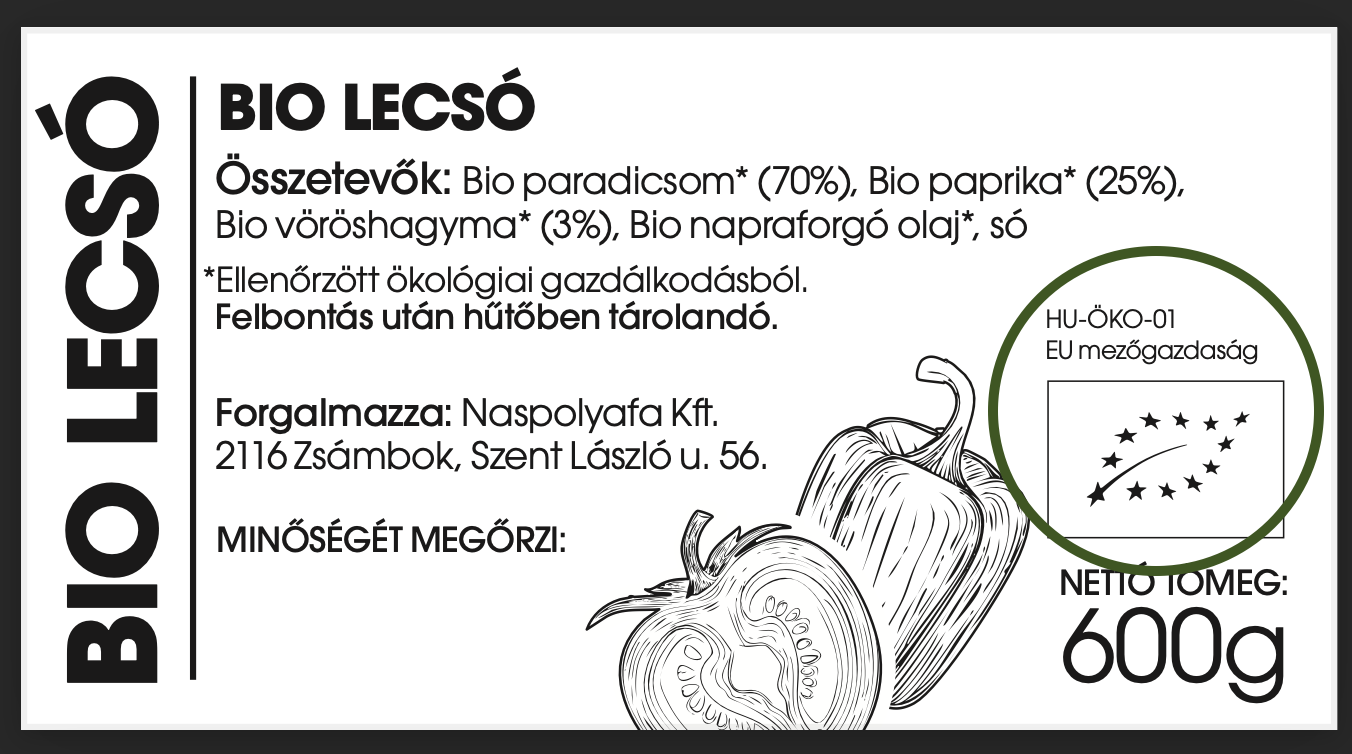
Organic farming (along with biodynamics) is the only term of the above protected by both national and international law. Why is this important? Because it is the only legally binding consumer assurance about farming systems and the farm products (mainly food!).
There are two, parallels ways to think about organics, which should both operate at the same time, and compliment each other:
- Organic as in following a set of organic guidelines (standards) laid down by an officially registered organic inspection body (in Hungary e.g. Biokontroll Hungaria Kft, Bio-Garáncia, etc. Internationally IFOAM, or in Germany Bioland, UK Soil Associations, etc.). These inspection bodies enter legally binding contracts with organic growers who chose to be certified. Certification is expensive and time consuming, but it also offers consumers the assurance that accredited growers reach certain minimum standard (which include the prohibition of artificial fertilisers, GMO's and synthetic pesticides - such as glyphosate and organo-phosphates).
Farming systems, or claims made outside the various organic regulations cannot offer this kind of assurance, and cannot be legally challenged.
- Good organic farming can be defined as an approach to farming which maximises life in the soil, within the context of a farm which is working to build maximum biodiversity, whilst being concerned about inputs, nutrient cycles and energy use.
Organic farming which concentrates on the first but fails to focus on the second definition becomes little more than a tick-box exercise (although it does guarantee no pesticides, gmo's, artificial fertilisers, etc. - which after all, does offer quite a lot of assurance to consumers).
Organic farming is not unique in following the principles of the second type of definition (agro-ecological, regenerative and permaculture all strive along similar aims).
But it is the combinations of both the good organic farming principles and the legally binding organic standards which really do offer consumers a quality assurance system, not just for the purity and uncontaminated naure of the products, but also knowing that this farming is delivering for Nature.
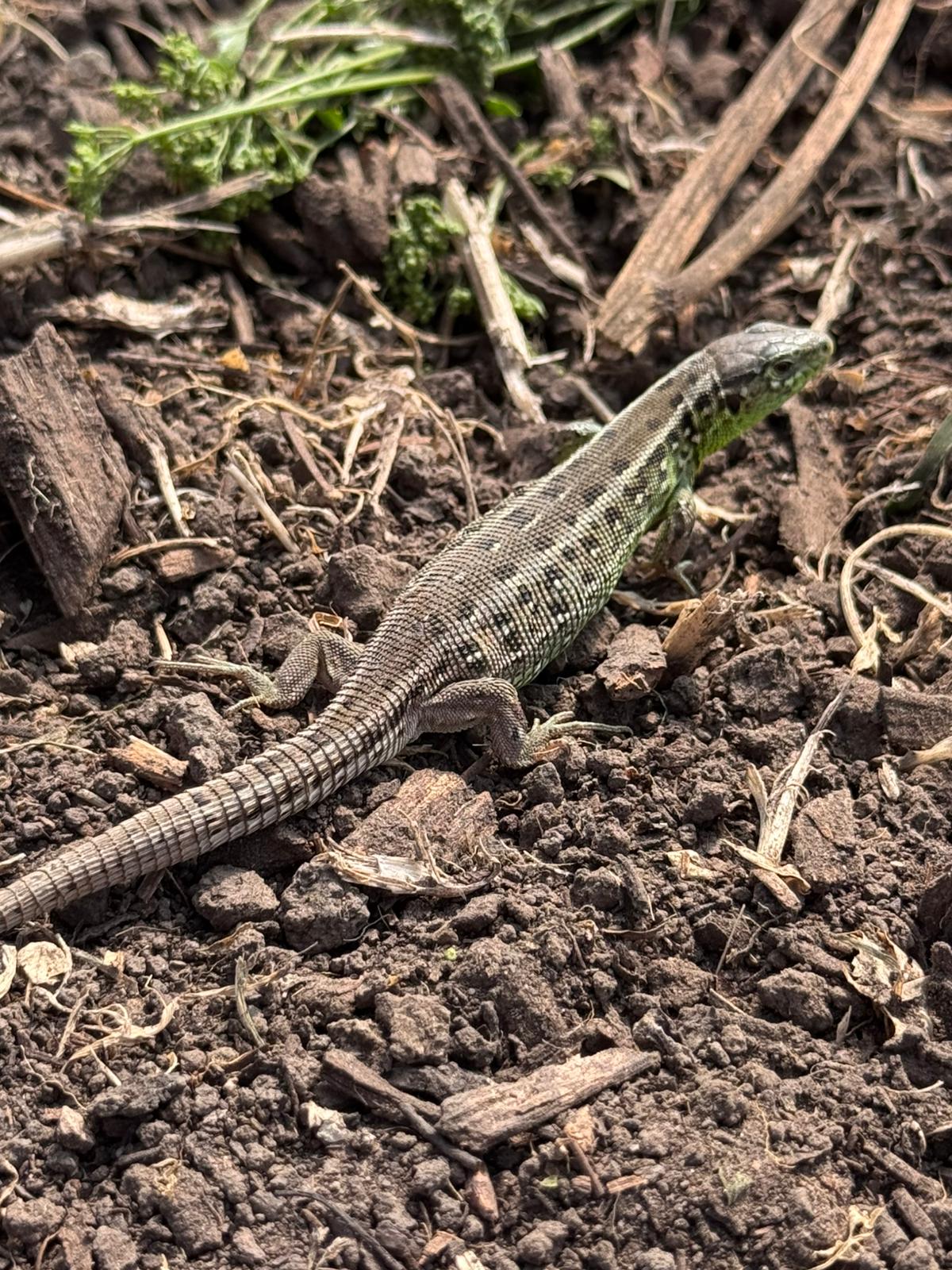
To finish, a few funky facts by which organic farming protects Nature:
- lower fossil fuel use/reduces greenhouse gas emissions - fact check: IFOAM report/FAO https://www.fao.org/family-farming/detail/en/c/1607504/
- supports biodiversity - fact check: IFOAM report/FAO https://www.fao.org/family-farming/detail/en/c/1607504/
- outlaws synthetic pesticides, herbicides and GMOs - fact check: https://rodaleinstitute.org/blog/wait-organic-farmers-use-pesticides/
- better for bird and insect populations - fact check: https://agro.au.dk/en/current-news/news/show/artikel/organic-farming-increases-biodiversity-but-it-takes-time
Zsámboki Biokert is the ONLY webshop-based ordering system in Hungary which is 100% certified organic